
When I opened a new savings account last month, the verification that usually took 48 hours was completed in under ten minutes. The bank’s AI scanned my ID, cross‑checked it with public records, and flagged no issues. No human had to intervene, and I received a confirmation email while I was still at my kitchen table. For anyone who’s ever been stuck in a queue, that speed feels like a radical shift.
Personalised budgeting that actually sticks
My current bank rolls out a monthly “spending snapshot” powered by a neural network trained on thousands of UK consumer patterns. It groups my expenses into categories—groceries, transport, streaming services—and then predicts how much I’ll need for the next month. The forecast includes a 3 % buffer for inflation, which is a detail I haven’t seen in generic budgeting apps. Last month the AI warned me that my utility bills were trending 12 % higher than average for my postcode, prompting me to switch to a cheaper tariff before the bill arrived.
Chatbots that understand regional slang
When I asked the bank’s virtual assistant about “my current balance” in a casual tone, it replied with the exact figure and even added a friendly “cheers”. The underlying language model has been fine‑tuned on UK‑specific phrases, so it recognises “cheque” versus “check” and knows that “bank holiday” means no processing on certain dates. The response time is consistently under two seconds, which beats the 30‑second lag I experienced with older bots.
Fraud detection that catches threats before they hit
Last week I received a text about a large overseas transfer I never initiated. The bank’s AI flagged the transaction within seconds, locked the account, and sent me a verification request. The system uses a combination of behavioural biometrics—typing speed, mouse movement—and real‑time device fingerprinting. In the past, similar scams have slipped through manual checks, costing customers thousands. Here, the AI stopped the fraud before any money moved.
Credit scoring that looks beyond the credit file
Applying for a personal loan used to mean a long questionnaire and a waiting period of up to two weeks. The new AI model evaluates rental payments, utility bills, and even subscription histories to build a risk profile. Because it incorporates data from over 200,000 UK households, it can offer a competitive APR to borrowers who might have thin credit files. I was offered a rate 0.4 % lower than my previous bank, simply because the AI recognised my consistent rent payments.
AI meets entertainment: a surprising crossover
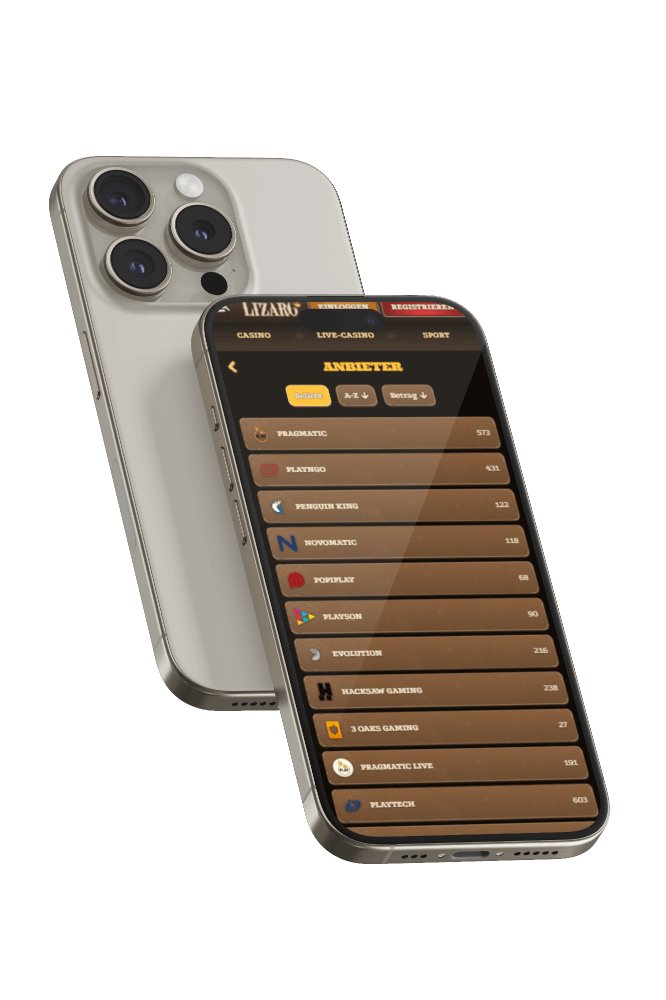
While reading about AI Innovations Transform Everyday Banking for UK Consumers, I stumbled across a niche online gaming community that uses similar predictive algorithms to tailor in‑game offers. The site Lizaro illustrates how the same data‑driven insights can enhance user experience beyond finance, showing that AI’s reach is broader than most people assume.
Limits: the human touch is still needed for complex advice
All these advances sound impressive, but they don’t replace a seasoned adviser for nuanced financial planning. The AI can suggest a mortgage product based on my credit score, yet it can’t discuss the emotional impact of a major life change or the tax implications of a multi‑generational property transfer. For high‑value decisions, I still schedule a face‑to‑face meeting, which can take weeks to arrange.
Where the technology is headed next
Looking ahead, banks are piloting AI‑driven voice assistants that can execute transactions purely from spoken commands, using secure voice biometrics. Another trial involves AI‑generated financial news summaries that adapt to a user’s portfolio, delivering only the most relevant headlines. If the current rollout is any indication, we can expect more of our banking chores to become invisible, handled by algorithms that learn from our habits.
In short, AI is no longer a buzzword in UK banking; it’s reshaping everyday interactions, from opening accounts to protecting money. The convenience is real, the savings are measurable, and the only caveat remains the need for human expertise when the stakes rise.
Frequently Asked Questions
How long does the AI verification process take?
Typically under ten minutes, often just a few seconds after submitting your ID.
Is the AI verification secure?
Yes, it uses encrypted data and cross‑checks with public records, ensuring compliance with privacy regulations.
Do I still need a human agent for issues?
Only if the AI flags an anomaly; otherwise, all approvals are automated.

